
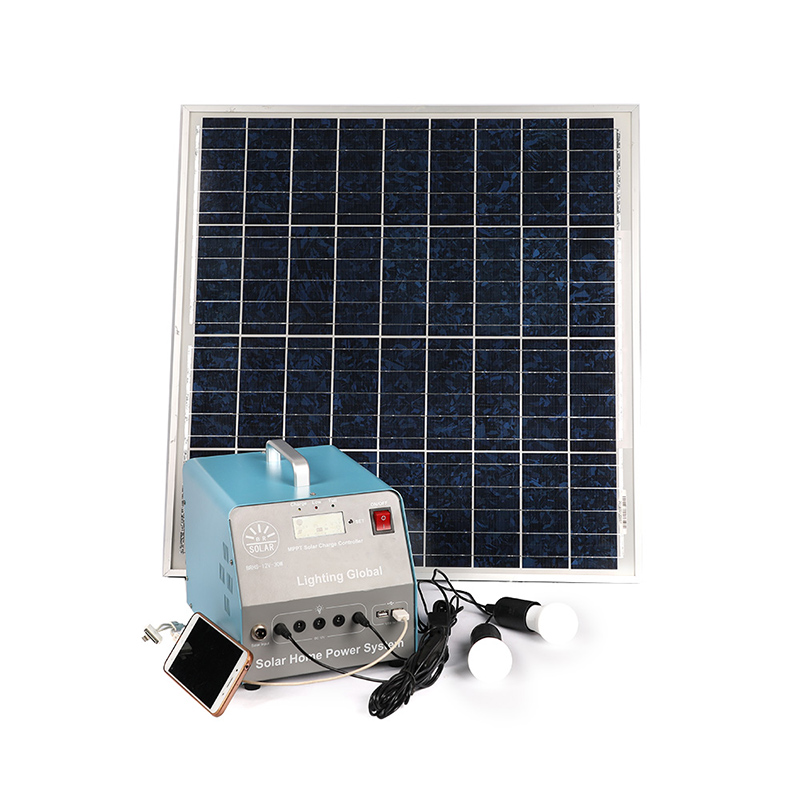
In an era where sustainable energy solutions are becoming increasingly vital, solar panels for residential use have emerged as a leading choice for homeowners aiming to reduce their carbon footprint and energy expenses. As electricity demand continues to rise globally, and concerns over environmental degradation mount, solar energy offers a clean, renewable, and efficient alternative to traditional power sources.
**The Growing Need for Solar Energy in Residential Areas**
Many parts of the world still face significant challenges related to electricity access and reliability. Dark roads and insufficient lighting due to power shortages are common in numerous countries, affecting not only convenience but also public safety and economic development. Against this backdrop, solar energy systems, particularly solar panels designed for households, have gained momentum. By converting sunlight into electrical power, these systems enable homes to generate clean electricity, reduce dependence on fossil fuels, and often gain independence from unstable grid supply.
**How Residential Solar Panels Work**
Home solar panel systems typically consist of photovoltaic (PV) modules installed on rooftops or nearby areas that receive ample sunlight throughout the day. These panels capture sunlight and convert it into direct current (DC) electricity, which is then transformed into alternating current (AC) through an inverter, making it usable for household appliances. Often paired with energy storage solutions like lithium-ion or gelled batteries, solar systems can store excess energy generated during the day for use at night or during power outages, enhancing reliability and energy efficiency.
**From Street Lighting Success to Residential Solar Solutions**
The journey of companies specializing in solar technology often begins with addressing basic lighting needs. For instance, a leading manufacturer and exporter of solar power systems began its operations focusing on solar street lighting poles. This initial specialization played a critical role in illuminating streets in countries suffering from poor electrical infrastructure, helping to improve safety and quality of life during nighttime hours.
Building on this foundation, the company expanded its expertise and market reach into more complex solar products, including residential solar panels, energy storage systems, lithium batteries, gelled batteries, and inverters. Their deep experience with solar street lights — a proven and vital application of solar energy — provides a strong technological and practical base to support the growing residential solar market. Solar street lights are particularly valued in areas with frequent power outages or no grid access, and the success in these markets shows the effectiveness and reliability of the company’s solar technologies.
**Advantages of Installing Solar Panels at Home**
1. **Cost Savings**: Over time, solar panels significantly reduce electricity bills. While initial investment varies depending on system size and complexity, many households recoup costs through savings and government incentives or subsidies available in various regions.
2. **Sustainability**: Solar panels produce no greenhouse gas emissions, helping homeowners decrease their environmental impact and contribute to combating climate change.
3. **Energy Independence and Reliability**: By harnessing and storing solar energy, homes can maintain electricity supply even during grid failures or blackouts, ensuring continuous power for essential devices.
4. **Increased Property Value**: Homes equipped with solar energy systems tend to have higher market values and appeal to environmentally conscious buyers.
5. **Low Maintenance**: Solar panels require minimal maintenance after installation, with occasional cleaning and periodic system checks ensuring effective operation for up to 25 years or more.
**Energy Storage Systems: Enhancing Solar Effectiveness**
A key component driving residential solar adoption is the integration of energy storage systems. Lithium batteries and gelled batteries allow homeowners to store surplus energy generated during the day and use it later, improving self-consumption and eliminating reliance on the grid during non-sunny periods.
Lithium batteries are lauded for their higher efficiency, longer lifespan, and lightweight design, though they come at a higher cost. Gelled batteries, a type of sealed lead-acid battery, are valued for their safety, durability, and affordable pricing, making them suitable for various budget considerations. The choice between battery technologies depends on individual household requirements, budget, and energy consumption patterns.
**Imported Expertise and Export Success**
Companies manufacturing these solar products often combine rigorous research and quality control with tailored solutions suitable for diverse climates and usage scenarios. Their growing export record indicates a worldwide demand for reliable solar power systems. Given the global imperative to expand access to affordable, clean energy — as highlighted by international agencies — manufacturers contributing solar street lighting and residential solar solutions play a crucial role in advancing sustainable development goals.
**Looking Ahead: Solar Energy's Role in Shaping Future Homes**
As technology advances, the integration of smart energy management systems, improved battery technology, and more efficient solar panels will further drive adoption. Residential solar systems are not just a temporary fix but a cornerstone of future energy strategies as communities strive for resilience, sustainability, and affordability.
Moreover, the benefits extend beyond individual homeowners to communities and entire nations aiming to enhance electricity access, reduce pollution, and improve quality of life. Solar power thus stands out as a beacon of progress — lighting homes, streets, and nations in ways that conventional energy infrastructures often cannot.
**Conclusion**
With the global emphasis on renewable energy and sustainable living intensifying, solar residential panels serve as an accessible and impactful solution. Drawing from a proven track record in solar street lighting and expert manufacturing and export capabilities, companies are well-positioned to meet the escalating demand for home solar energy systems worldwide. For homeowners interested in embracing green technology while achieving economic and social benefits, solar panels represent a clear step towards a cleaner and brighter future.